Under the Influence

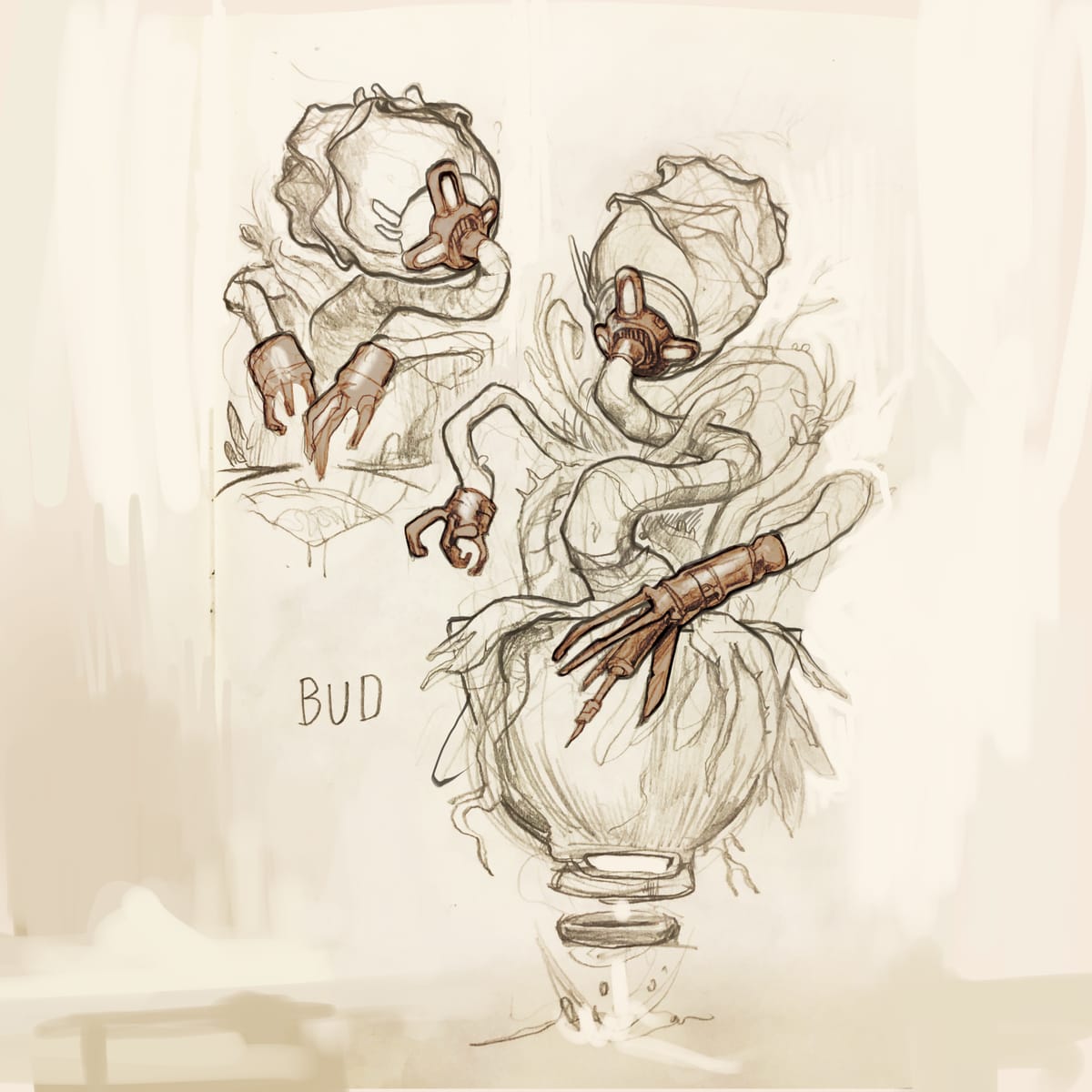
Before we get rolling, a reminder: follow the Kickstarter page for my upcoming comic, WAYPOINT, for updates!
https://www.kickstarter.com/projects/waypointcomic/waypoint-1-4
An awards ceremony happened this past weekend. I didn’t watch it but people on the internet had strong thoughts about what won and what should have won. Of course I have my opinions on this, but who cares? It’s something well out of my control. My favorites are my favorites. That said, sometimes there’s a genuine toss-up for me. There Will Be Blood might be my favorite non-Batman movie of the ‘00s, but it lost to No Country for Old Men, and honestly, I can’t be mad. That was the case this year. The two frontrunners, One Battle After Another and Sinners, were both worthy. I want to talk about how they’re both extremely derivative – and why it doesn’t matter.
There’s a big push across art in all mediums for originality. I’ve been guilty of leveling that criticism at albums myself. Even if they aren’t quite at Tarantino levels of pastiche, both OBAA and Sinners contain a bunch of the filmmakers’ influences rolled into one package. One Battle has elements of lots of Paul Thomas Anderson’s favorite gritty seventies movies: Malick’s ouevre, The French Connection, Dog Day Afternoon. Also Terminator 2. Sinners pays homage to Ryan Coogler's influences: gangster films, Black exploitation flicks, siege movies like Assault on Precinct 13 and From Dusk Til Dawn, even musicals (and I guess vampire films). But nobody would accuse either of them of not being original. That’s because they both have the most important element of telling your own story: a distinct point of view.
Human beings are the sum of their experiences. We voraciously consume everything that’s put in front of us, whether intentional or not; whether it’s artwork or personal interactions. In my opinion, art is inextricably connected to the artist. There are exceptions – collaborative projects like movies or band-based music, obviously. But, for the most part, art reflects the artist, a way of communicating their inner self to the world. And a big part of that inner self comes from things we’ve picked up from other people.
This is a mistake a lot of storytellers make, especially inexperienced ones (my younger and sometimes current self included). I come across a lot of bands in my listening that slavishly recreate the sounds of their favorite bands without bringing any of themselves to the table, or comics (especially on the superhero side of things) that tell me that the creator likes the X-Men and nothing else. Let me use myself as an example so I’m not putting anybody else on blast.
The first screenplay I tried to write in college was about a heavy metal guitarist that has to fight a dragon in New York City. Very me, very silly. I never quite cracked that project because it was all surface-level stuff, van paintings and album covers brought to life without actually knowing what I was trying to say about myself and the world with it. In hindsight, it was probably about me leaving home for the first time and having to face the big bad world head-on. But I didn’t know that at the time so it felt like an empty display of tropes with no heart to it.
The screenplay that got the attention of my first manager straight out of college, however, was something much more personal. I’m gonna be a little vague about it because I still love that project and it’s in my queue to adapt into comic form. It was a big silly fantasy action thing about punk rock witches and immortal witch hunters and magic in the modern world. Lots of aesthetic references from World of Darkness role-playing games, lots of structural nods to The Good, the Bad, and the Ugly. In other words, it ruled. The difference between that and the dragonslayer script? It was actually about something.
My dad had been diagnosed with cancer at the beginning of my senior year of college. Not the good kind of cancer, either. I struggled with a lot of emotions. It wasn’t entirely a conscious thing, but I put those into my witch script. The story went from being a mess of overcomplicated relationships and magic bullshit and became about someone dealing with grief. At first, she does so destructively and immaturely, but as the story progresses and she deals with the spiraling consequences of her actions, she realizes she can only control the things she can control (ie, her own behavior). Which would turn out to be a recurring theme with me, but that’s a post for another day.
My dad beat the cancer, if you were wondering.
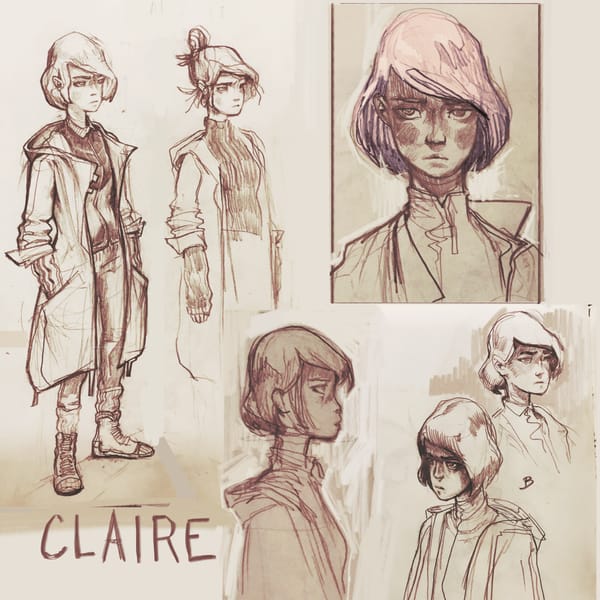
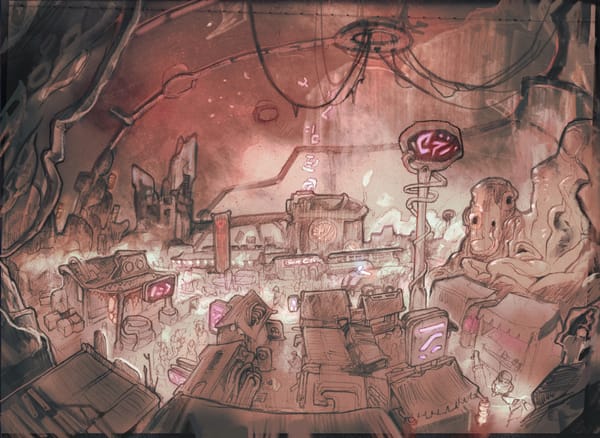
Anyway, WAYPOINT smashes together a lot of my influences, some of them in pretty obvious ways. Claire’s origin was inspired by Trillian’s from Hitchhiker’s Guide to the Galaxy. The K’zat species are my not-so-subtle homage to Larry Niven’s K’zin. The structure of the mystery itself is very much inspired by my favorite pulp authors like Raymond Chandler and Mickey Spillane. Lots of little nods to Doctor Who, Star Trek, Jim Starlin’s cosmic Marvel insanity, Blade Runner, Sin City. All the things that influenced me (even if some of the creators are, in hindsight, problematic). The book is a melting pot.
What makes it mine, then? Claire’s story is my story. I don’t want to give too much away – and it’s certainly not a direct one-to-one – but the journey she goes on comes from a very personal place. It’s a story of struggling with depression and feeling of failure (I know, unique for a writer) and, most importantly, getting to the other side of those feelings. Funnily enough, the very process of putting this book out into the world is one of the things that’s helped me. As I would say in one of my reviews, it’s not exactly groundbreaking, but I think the passion is there. The trick is making your influences work for you instead of working for your influences.
NOW SPINNING
Haute & Freddy – Big Disgrace
Vial – Hellhound
The Damned – Damned Damned Damned
Ferry Djimmy and his Dji-Kins – Rhythm Revolution
V/A – Cosmic Machine: A Voyage Across French Cosmic and Electronic Avant-Garde (1970-1980)